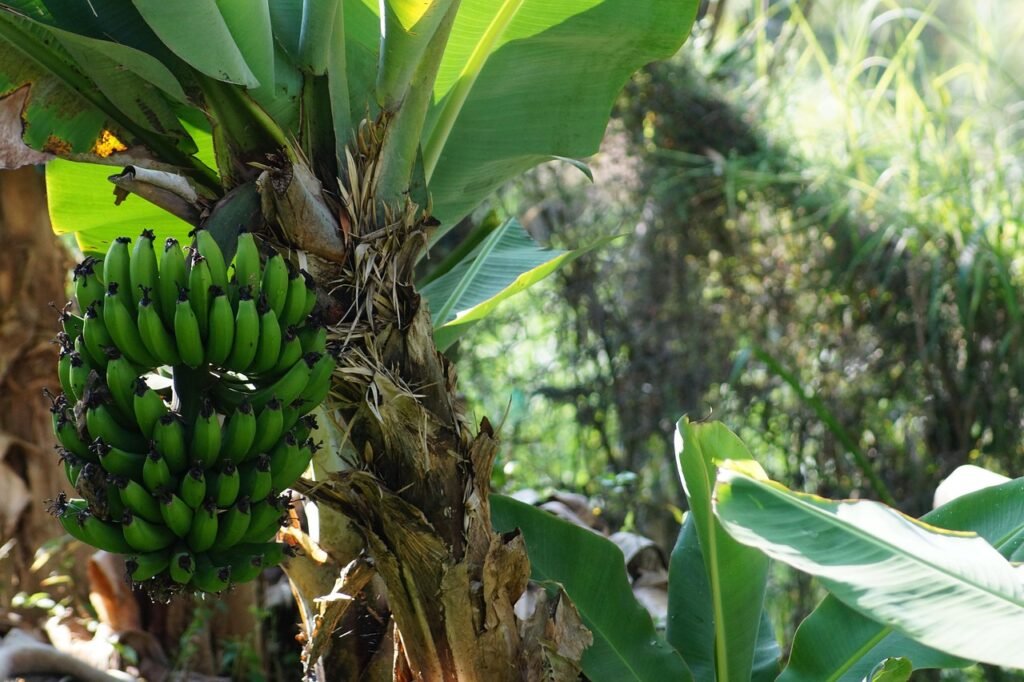


Many people confuse plantains with bananas and may not know which fruit to use for cooking or nutrition. Plantains are starchier and less sweet than bananas, which makes them better for savory recipes.
This post will explore their differences in size, skin texture, culinary uses, vitamins, and ripeness to help you pick the right fruit. Find out how these tropical fruits compare below.
Differences in Appearance and Size
Plantains stand out due to their larger size and thicker skin. Bananas, on the other hand, are smaller with a thinner peel and come in various shades as they ripen.
Plantains are larger than bananas.
Plantains are larger than bananas. Their size sets them apart in the fruit family. While a typical banana may only reach about 6 to 8 inches long, plantains can grow as long as 12 to 14 inches.
This significant difference makes plantains an ideal choice for many recipes.
The thicker skin of plantains adds another layer of distinction compared to bananas. Bananas often feature thinner, more delicate skins that range from green to yellow and even brown as they ripen.
In contrast, the robust skin of a plantain usually stays green or turns bright yellow when ripe, making it easy to spot in produce aisles. Plantains vs. bananas shows clear differences at first glance through their appearance and size alone.
Plantains have thicker skin.
Plantains have a tougher, thicker skin compared to bananas. This texture helps protect the fruit during ripening and cooking processes. A plantain’s skin can be green or yellow, and it often remains firm even as the fruit matures.
In contrast, banana skins are thinner and more delicate. As bananas ripen, their skin turns from green to yellow and then brown; this indicates increased sweetness.
The thicker skin of plantains makes them suitable for various culinary methods. Chefs often fry or bake them without peeling first because the robust outer layer holds up well under heat.
This quality enhances dishes that require longer cooking times, making plantains a popular choice in savory recipes around the world.
Bananas have a thinner skin and are smaller in size.
Bananas feature a thinner skin than plantains. This delicate outer layer makes them easier to peel. Their smaller size also sets them apart from plantains, making bananas convenient for quick snacks.
Small and sweet, these fruits contain higher sugar content than their starchy counterparts. People often enjoy bananas in desserts or smoothies due to their natural sweetness. Plantains serve different culinary purposes, primarily used in savory dishes which leads to interesting nutritional comparisons between the two fruits.
Plantains are usually green or yellow, while bananas can range from green to yellow to brown.
Bananas have a thinner skin and are smaller in size. Plantains typically show green or yellow colors. They do not turn brown like bananas, which can shift from green to bright yellow and finally to deep brown as they ripen.
This variety in color helps distinguish plantains from bananas at a glance.
The differences in appearance highlight more than just aesthetics; they also point to the intended culinary uses of each fruit. While people enjoy ripe bananas as a sweet snack, the stiff-skinned plantain often finds its place in savory dishes across various cuisines.
Understanding these details enriches our appreciation for both fruits.
Differences in Nutrition and Culinary Uses
Plantains contain more starch and less sugar than bananas, making them perfect for savory dishes, while the sweeter flavor of bananas suits desserts. Discover more about their unique traits and uses!
Plantains are starchy with a lower sugar content.
Plantains rank higher in starch compared to bananas. This makes them a great choice for savory meals. Their lower sugar content means they won’t spike blood sugar levels like sweeter fruits do.
Many people use plantains in dishes, such as stews or fried snacks, where their unique texture shines. On the other hand, bananas are enjoyed fresh and often used in desserts due to their sweetness.
The nutritional profile of plantains differs significantly from that of bananas. While bananas offer quick energy through sugars, plantains provide longer-lasting fuel thanks to their starchy nature.
This property appeals to those looking for healthy options in cooking. Both fruits have distinct culinary uses in various cultures worldwide, showcasing their versatility as staples in many diets today.
Bananas are sweeter and higher in sugar.
Plantains are starchy with a lower sugar content. In contrast, bananas taste sweeter and contain more sugar. A medium banana has about 14 grams of sugar, while a plantain typically has around 7 grams.
This high sugar content makes bananas popular in desserts and snacks. People often enjoy them raw or in smoothies for a quick energy boost. Their natural sweetness appeals to many health-conscious individuals looking for delicious options.
Choosing between plantains and bananas depends on your culinary needs and preferences. While both fruits offer unique benefits, bananas provide an excellent source of simple carbohydrates that can quickly fuel your body after exercise or during busy days.
Plantains are often used in savory dishes, while bananas are more commonly used in desserts.
Cooks frequently use plantains in savory dishes. They can be fried, boiled, or baked and fit well with meats and spices. Chefs often pair them with rice and beans or serve them alongside stews.
Bananas shine in desserts. They add sweetness to smoothies, cakes, and puddings. This makes bananas a popular choice for treats.
Plantains vs. bananas shows how these fruits differ in cooking styles. Both offer unique flavors but suit different meals perfectly.
Conclusion
Plantains and bananas each bring unique qualities to the table. Plantains offer a starchy, savory flavor, while bananas delight with their sweetness. Both fruits play important roles in various cuisines around the world.
Understanding their differences helps you choose the right fruit for your dish or snack. Enjoy experimenting with plantains and bananas in your cooking!


