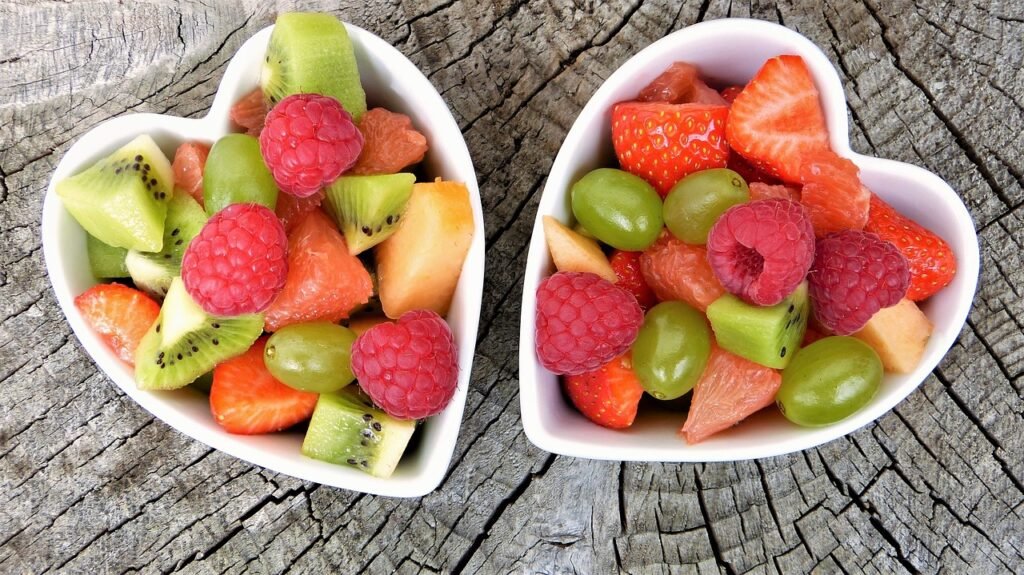

When it comes to losing weight, one of the biggest challenges isn’t just choosing the right foods—it’s staying satisfied after eating. Constant hunger can sabotage even the most disciplined diet plan. The secret lies in selecting foods that not only provide nutrition but also help you feel full for longer. By making smart choices, you can curb cravings, manage portion sizes, and steadily move toward your weight-loss goals.
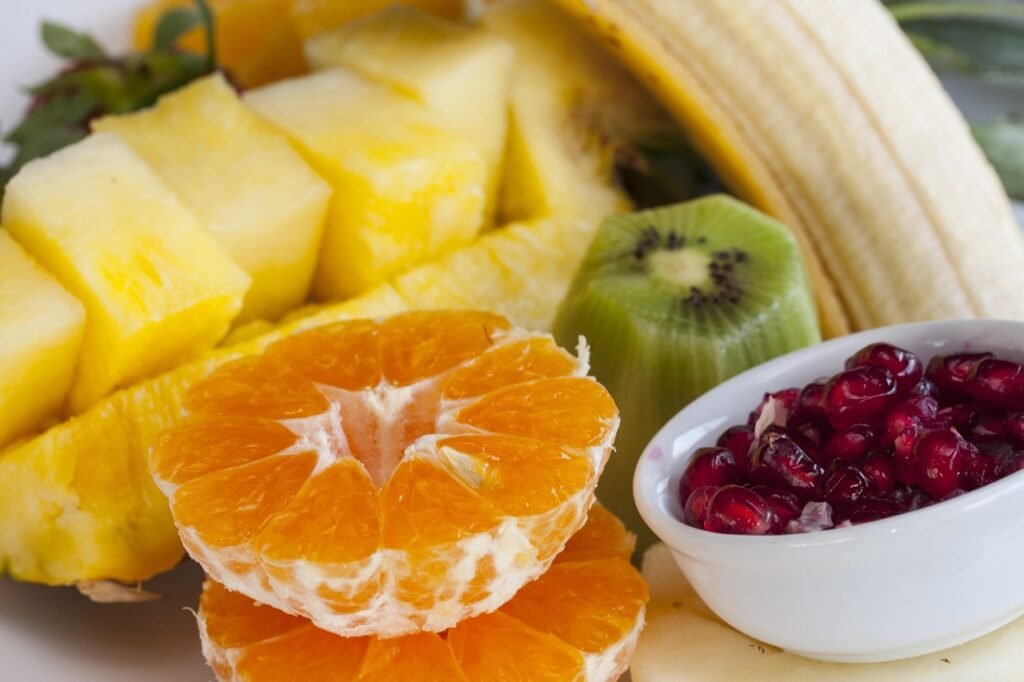
1. Protein-Packed Foods Keep Hunger Away
Protein is often called the “satiety king.” Unlike quick-burning carbs, protein digests slowly and signals to your brain that you’re satisfied. Eggs, chicken, fish, lean beef, lentils, and Greek yogurt are excellent choices. Adding a source of protein to every meal can help reduce unnecessary snacking and keep your metabolism active.
2. Fiber-Rich Foods Control Appetite
High-fiber foods add bulk to your meals without adding too many calories. They slow down digestion and stabilize blood sugar levels, preventing energy crashes that trigger cravings. Think vegetables, whole grains, beans, oats, chia seeds, and fruits like apples and berries. A fiber-rich breakfast, such as oatmeal with flaxseeds and fruit, can keep you energized for hours.
3. Healthy Fats Keep You Satisfied
Not all fats are bad. In fact, healthy fats play a vital role in satiety. Avocados, nuts, seeds, olive oil, and fatty fish like salmon provide essential nutrients and make meals more satisfying. Since fats are calorie-dense, portion control matters, but when consumed in moderation, they can prevent overeating by reducing hunger.
4. Low-Calorie, High-Volume Foods Add Fullness
Vegetables such as broccoli, spinach, zucchini, and leafy greens are packed with water and fiber but very low in calories. They fill up your stomach and give a sense of fullness without overloading your calorie intake. Soups and salads with a protein source are also excellent meal choices that can trick your body into feeling satisfied.
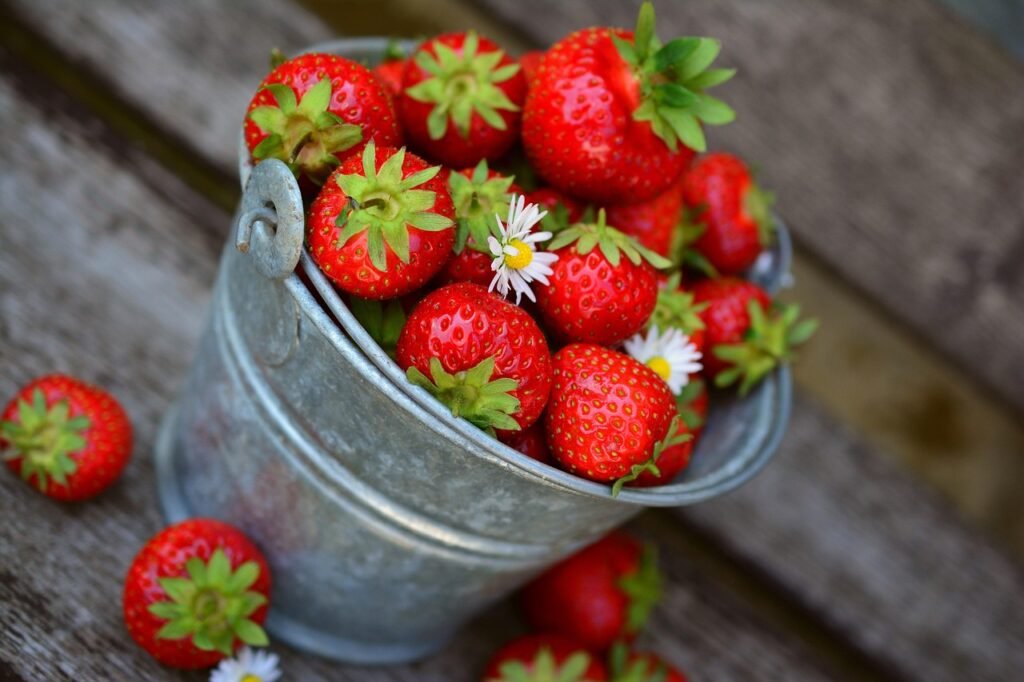
5. Slow-Digesting Carbs Provide Steady Energy
Refined carbs spike blood sugar quickly, leaving you hungry soon after. Instead, choose slow-digesting carbs like quinoa, brown rice, barley, and sweet potatoes. These keep energy levels stable and reduce sudden cravings for sugar or snacks. Pairing them with protein and fat makes them even more effective at curbing hunger.
6. Hydrating Foods and Water Beat False Hunger
Sometimes the body confuses thirst with hunger. Drinking enough water throughout the day is a simple but powerful weight-loss tool. Hydrating foods like cucumbers, watermelon, and oranges also contribute to fullness while being low in calories. A glass of water before meals can naturally reduce food intake.
7. Mindful Eating Enhances Satiety
It’s not just what you eat but how you eat. Eating slowly and savoring every bite gives your body time to recognize fullness signals. This simple habit can reduce overeating, making healthy, filling foods even more effective in weight loss.
Final Thoughts
To lose weight without feeling constantly deprived, focus on meals that combine protein, fiber, and healthy fats, along with plenty of water-rich foods. These choices naturally extend satiety, stabilize energy levels, and reduce the urge to snack unnecessarily. Weight loss isn’t about eating less—it’s about eating smarter. By fueling your body with the right foods, you can stay full longer and achieve sustainable results.


