

Regular cashew consumption can improve your metabolism and cardiovascular health while also assisting you in better weight management.
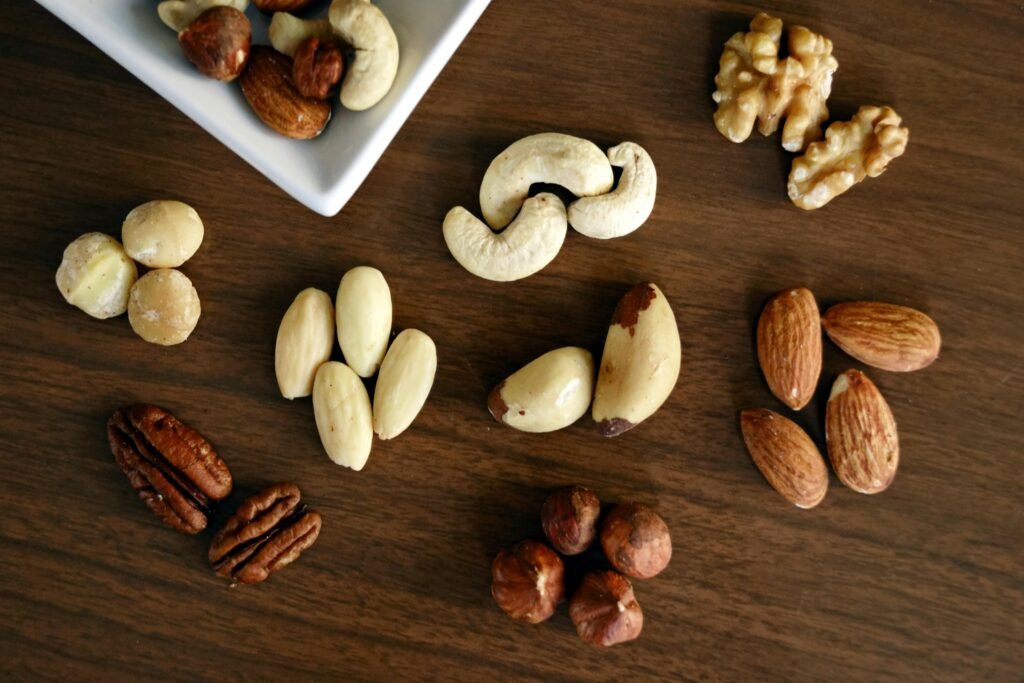
According to Healthline, cashews are kidney-shaped seeds that are native to Brazil and are produced by the tropical cashew tree. These nuts are well-known for their delicious flavor as well as their high nutritious content.
A single ounce (28 grams) of unroasted, unsalted cashews contains approximately 157 calories, 5 grams of protein, 12 grams of fat, 9 grams of carbs, and 1 gram of fiber, according to the U.S. Department of Agriculture’s FoodData Central database. Because of their nutritional makeup, they have about the same amount of protein as cooked meat.
Essential minerals such as copper, magnesium, manganese, zinc, phosphorus, iron, selenium, thiamine, vitamin K, and vitamin B6 are also abundant in them.
Regular cashew consumption may affect your health in a number of ways:
Improved prevention of disease
Antioxidants like polyphenols and carotenoids, which are abundant in cashews, help your body fight off dangerous free radicals, lower inflammation, and improve your resilience to illness. The antioxidant effects of cashews are maximized when they are consumed whole and raw, while cooking may reduce these qualities.
Better control of weight
According to research from the National Library of Medicine, diets high in nuts result in lower body weights and more noticeable weight loss than diets low in nuts.
This could be partially because cashews may contain fewer calories than previously thought; the body may only digest and absorb roughly 84% of the calories they contain. This is probably because some of the fat in cashews may remain trapped within their fibrous wall, making it impossible for the body to absorb it during digestion.
It’s possible that whole raw cashews will help you lose the most weight.
Improved heart health
Cashews have been shown to improve heart health, especially in those with type 2 diabetes. According to one study, eating 10% of your daily calories from cashews can reduce the ratio of bad (LDL) to good (HDL) cholesterol. Consuming cashews has been associated in other research with lower blood pressure and increased HDL cholesterol levels.
Results are conflicting, though, and further study is required to validate these advantages.
Control of diabetes
It may be beneficial for people with type 2 diabetes to include cashews in their diet. The high fiber content of cashews helps prevent diabetes and regulate blood sugar rises. According to research, individuals with type 2 diabetes who ate cashews had reduced insulin levels, which may indicate improved blood sugar regulation.
Possible drawbacks
The deadly substance urushiol, which is also present in poison ivy, is removed during processing, but cashews are generally safe for consumption. As a result, it is advised to consume with caution.
It is advised to choose unsalted, dry-roasted, or really raw cashews over commercially roasted or salted ones in order to minimize unnecessary sodium and lipids.


